Is Dimethicone Bad for Curly Hair?

Dimethicone is not automatically bad for curly hair. It is a silicone that coats the strand, which can reduce friction, boost shine, and slow humidity-driven frizz. Problems show up when non-soluble dimethicone stacks faster than your cleanser removes it, leaving dullness, limp clumps, or blocked moisture. Water-soluble silicones rinse more easily; heavier dimethicone often needs periodic clarifying. Match silicone use to your wash strength, porosity, and frizz goals rather than treating every silicone the same.
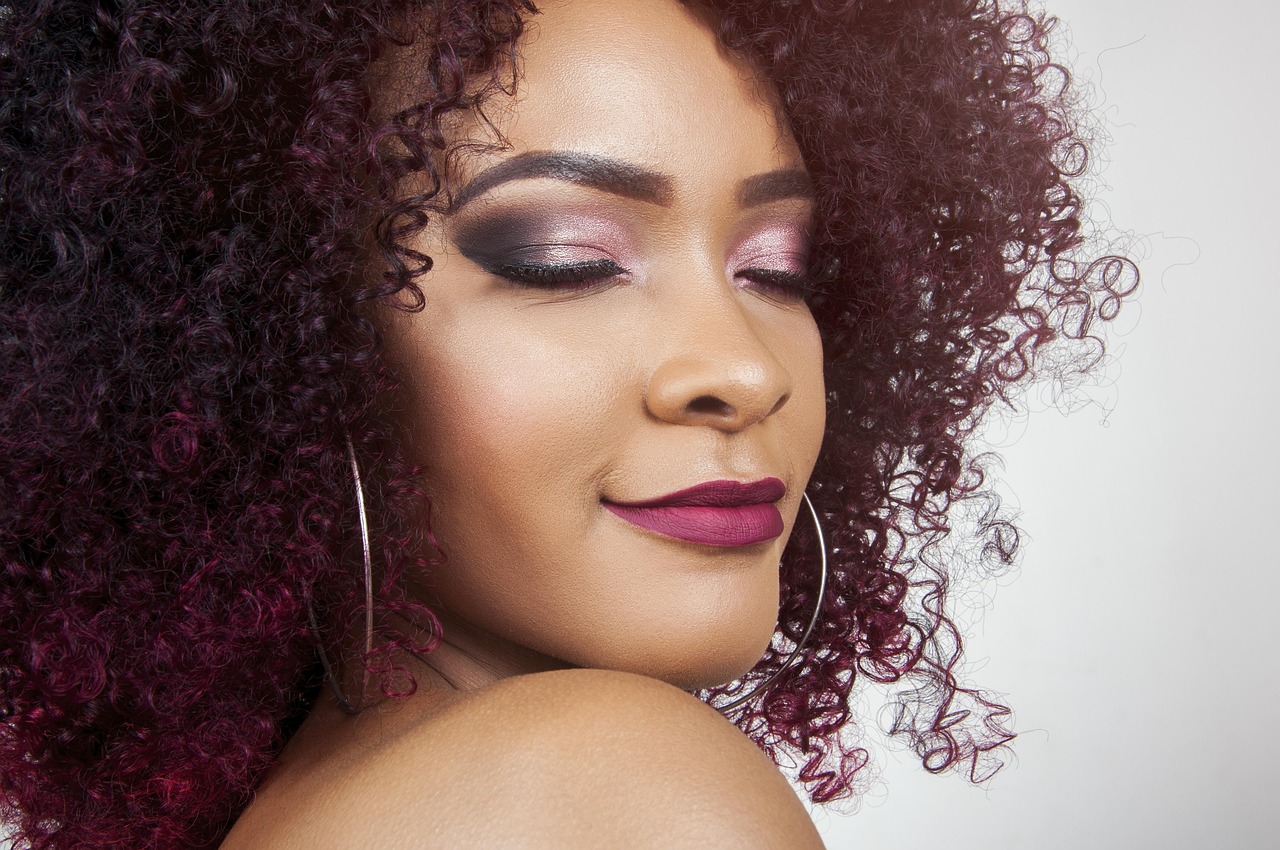
What dimethicone does on curls
Dimethicone forms a smooth film on the hair surface. That film can:
- Lower combing friction during detangling
- Seal the canopy against humid air
- Add shine and a polished finish
- Help serums and anti-frizz drops glide evenly
For many frizz-prone curls, those benefits are real. The film can also slow water-based conditioners from reaching the strand if residue builds. That is why the same ingredient feels helpful on one head and heavy on another. For the wider silicone picture, read silicones in curly hair products.
Water-soluble vs non-soluble: the decision that matters
| Type | Examples (common) | Rinse behavior | Typical risk |
|---|---|---|---|
| Non-soluble / heavier | Dimethicone, some dimethiconol blends | Needs stronger cleansing for full removal | Buildup, dullness, blocked moisture |
| More water-soluble | PEG-modified silicones, some amodimethicone systems | Easier with gentle cleansers | Lower residue if use stays moderate |
Label reading beats fear. If dimethicone sits near the top of a leave-in or serum, expect more film. If it appears lower and the formula is mostly water-based conditioners, impact is usually lighter. Practice with how to read product labels and the ingredients hub.
Strict method followers often cross-check against the CGM-approved ingredients list. Traditional Curly Girl rules flag many non-soluble silicones because co-washing alone may not clear them.
When dimethicone helps curly hair
Dimethicone often earns its place when:
- Humidity spikes and your cast collapses by midday
- High-porosity hair frizzes as soon as it leaves the shower
- Detangling causes snapping and you need slip
- You clarify on a predictable schedule
In those cases, a small amount on the canopy (ends and outer layer) can polish without coating every internal strand. If products keep failing for your pattern, also check wrong products for your curl type.
When dimethicone causes trouble
Watch for these buildup signals after several wash days with silicone-rich stylers:
- Hair looks shiny but feels coated or sticky
- Curls lose spring and hang flatter
- Deep conditioners stop “sinking in”
- Scalp or roots feel greasy while ends stay dry
- Clarifying suddenly brings definition back
The fix is usually cleansing cadence, not a lifelong ban. Clarify, remoisturize, then decide whether to keep dimethicone for weather days only or switch to easier-rinse options.
Clarifying and routine pairing
- Clarify with a shampoo strong enough for your residue load.
- Follow with a balanced conditioner so hair does not feel stripped.
- Restart stylers with lighter layers; put silicone serums last and sparingly.
- Log how many wash days you go before bounce drops again.
If you rely on very mild cleansers or frequent co-washes, non-soluble dimethicone is a higher-risk daily leave-in. If you shampoo regularly or clarify monthly, many curls tolerate strategic use.
How to check products before you buy
Scan ingredient lists for dimethicone and related silicones, then ask: How mild is my cleanser? How often will I use this? Is humidity defense the goal this week?
Curltine’s product scanner flags silicone context so you can see residue risk next to your routine, not a blanket good/bad stamp. Use it with the ingredient checker workflow when you are comparing bottles side by side.
Frequently asked questions
Is dimethicone bad for curly hair?
Not always. Dimethicone can smooth frizz and add slip, but heavier forms can build up if your cleanser is too mild. Results depend on silicone type, how often you use it, and whether you clarify.
Is dimethicone a water-soluble silicone?
Plain dimethicone is generally considered non-water-soluble and may need a stronger cleanser to fully remove. PEG-modified or other water-soluble silicones rinse more easily with gentler washes.
How do I know if dimethicone is causing buildup?
Common signs are dullness, limp clumps, products sitting on the hair, weaker deep-conditioner results, and curls that feel coated instead of springy. A clarifying wash followed by moisture often restores bounce.
Can I use dimethicone with the Curly Girl Method?
Strict CGM routines often avoid non-soluble silicones like dimethicone. Some people still use them for humidity control and clarify on a schedule. Match the rule set you follow to your cleanser strength.
How do I remove dimethicone buildup from curls?
Use a clarifying shampoo suited to your hair, rinse well, then condition. Do not over-clarify. After reset, reduce silicone-heavy layering or switch to easier-rinse options if buildup returns quickly.
Related guides
- Silicones in curly hair products
- CGM-approved ingredients list
- Ingredients
- Ingredient checker
- How to read product labels
- Wrong products for your curl type
Check silicones against your real routine
Scan your leave-ins and serums in Curltine to see silicone type, residue risk, and whether your cleanser cadence can keep up.
Curltine
Explore Curltine
See the app overview and check current features and access before downloading.
View Curltine