How to Sleep with Curly Hair (6 Frizz-Free Ways)
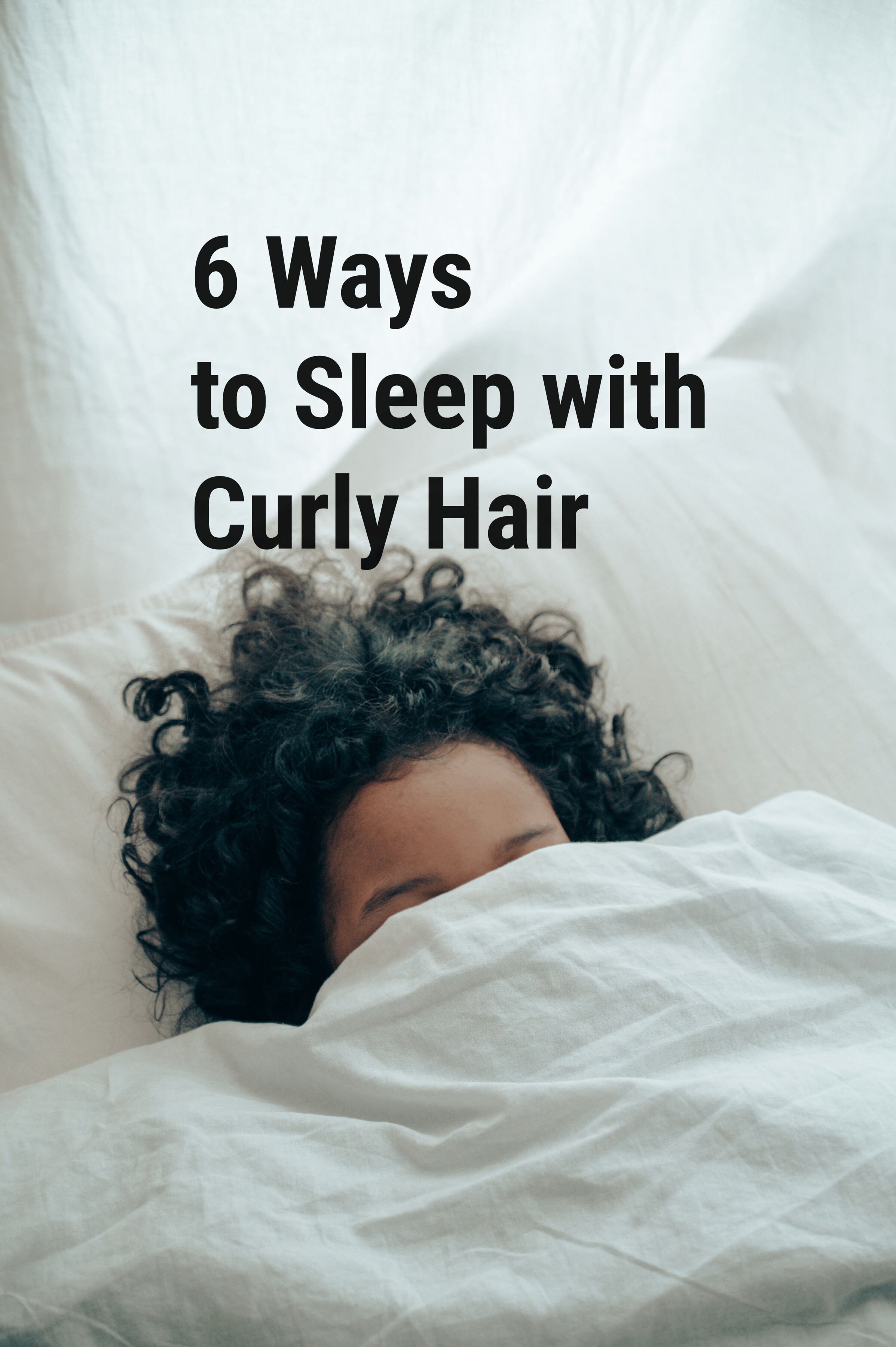
Six ways to sleep with curly hair can keep wash-day definition intact through the night: the pineapple, a sleep buff, a satin bonnet, loose braids, a silk or satin pillowcase, and Medusa clips. Cotton pillow friction and crushed roots are the usual reasons curls wake up flat and frizzy. Pick one primary method, or stack two for longer patterns.
Why sleep protection matters for curls
Curls clump best when the cuticle stays smooth and the shape is left alone. Cotton sheets grab moisture and rough up the cuticle. Pressure from your head flattens roots and breaks clumps. That is why day-two frizz often starts at bedtime, not in your morning products.
Night protection supports the same goals as a solid wash day routine and lighter refresh curls between wash days. Less overnight damage means less rewashing and less mechanical frizz. Related reading: why curly hair always gets frizzy and beyond wash day.
Quick comparison
| Method | Best for | Main benefit |
|---|---|---|
| Pineapple | Medium to long curls and waves | Keeps length off the pillow |
| Sleep buff | Most lengths; easy daily habit | Low-friction tube cover |
| Satin bonnet | All curl types, especially coils | Full coverage while you move |
| Loose braids | Longer hair, stretch-friendly styles | Reduces tangles overnight |
| Silk pillowcase | People who skip headwear | Less friction than cotton |
| Medusa clips | Defined curls that crush easily | Holds shape section by section |
1. The pineapple method

Gather dry or mostly dry hair into a very loose, high ponytail on the crown. The “fruit” of curls sits forward so the back of your head is not sleeping on your length.
How to do it
- Flip your head forward or tip it to the side.
- Scoop curls up with your hands, keeping clumps together.
- Secure with a soft scrunchie or satin spiral tie. Leave it loose enough that the scalp does not ache.
- Optional: cover with a bonnet or sleep on silk for extra protection.
Works well for: Type 2C–4C with enough length to gather. Fine 2A waves with short layers may prefer a buff or pillowcase instead.
Avoid: Tight elastics, low ponytails that crush the crown, and pineappling soaking-wet hair.
2. Sleep buff
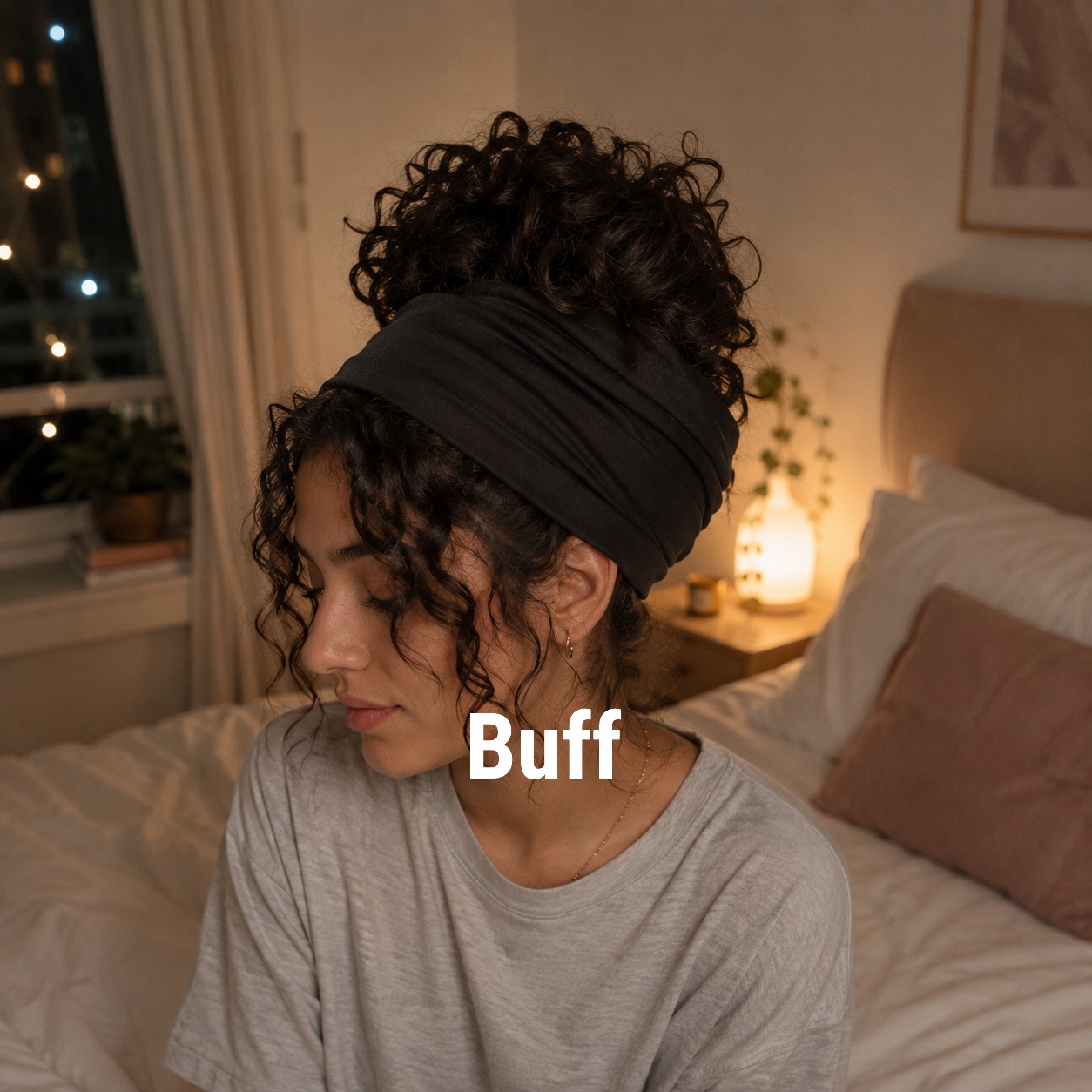
A sleep buff is a stretchy satin or silk tube you pull over your hair like a soft helmet. It reduces friction without the ties some people dislike on classic bonnets.
How to do it
- Smooth hair back or do a mini pineapple first if you have long length.
- Slide the buff on from the forehead back, or step it on like a hood.
- Tuck ends inside so nothing rubs on cotton sheets.
- Adjust so ears and hairline feel comfortable.
Works well for: Daily wearers who want something fast. Pairs cleanly with a silk pillowcase.
Avoid: Buffs that are too tight at the hairline, which can leave a crease or breakage over time.
3. Satin bonnet
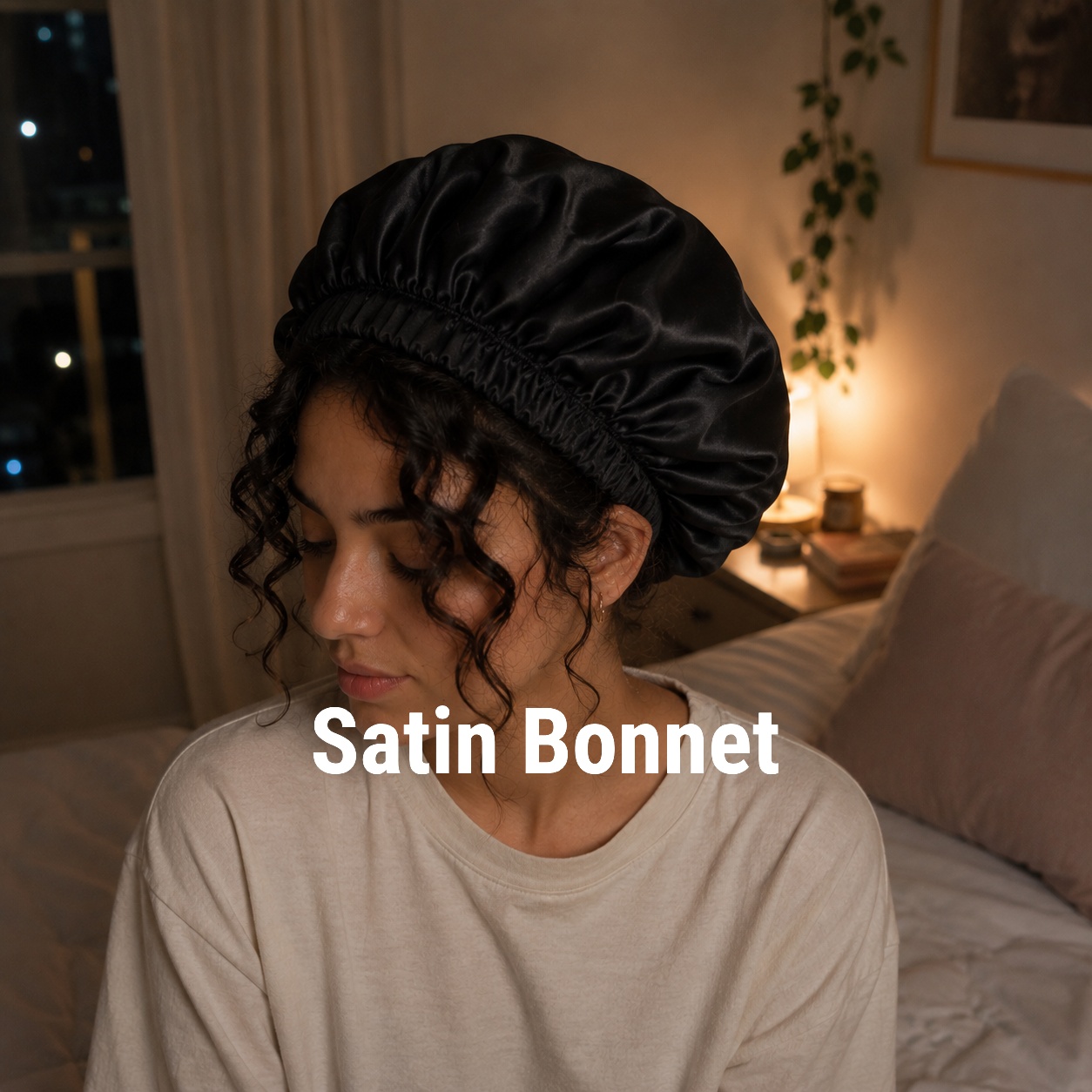
A satin or silk bonnet keeps almost all of your hair covered, which helps if you toss and turn. It is one of the most reliable options for coily patterns and high-shrinkage curls.
How to do it
- Pineapple or loosely gather hair if it is long.
- Place the bonnet over the crown and scoop length inside.
- Adjust the band so it sits on the hairline without digging in.
- Check the nape: ends should be fully inside.
Works well for: Type 3 and Type 4 hair, protective styles, and anyone who wakes up with sheet marks in their curls.
Avoid: Rough inner linings labeled “satin” that still feel scratchy. If the band leaves a dent, size up or switch to a drawstring or adjustable style.
4. Loose braids

One to four loose braids (or chunky twists) reduce tangles and keep length organized. In the morning you take them down and refresh, often with less detangling than an unprotected night.
How to do it
- Start on dry or damp-not-dripping hair.
- Section into large pieces. Smaller braids create more wave and can over-stretch some patterns.
- Braid loosely from mid-lengths or from the root if you want more stretch.
- Secure ends with soft elastics. Sleep on silk or add a bonnet if you frizz easily.
Works well for: Longer 3B and 3C curls, and anyone who hates morning knots.
Avoid: Tight braids that pull the scalp, and braiding brittle hair without moisture. If ends feel dry, seal lightly before braiding and review porosity basics.
5. Silk or satin pillowcase
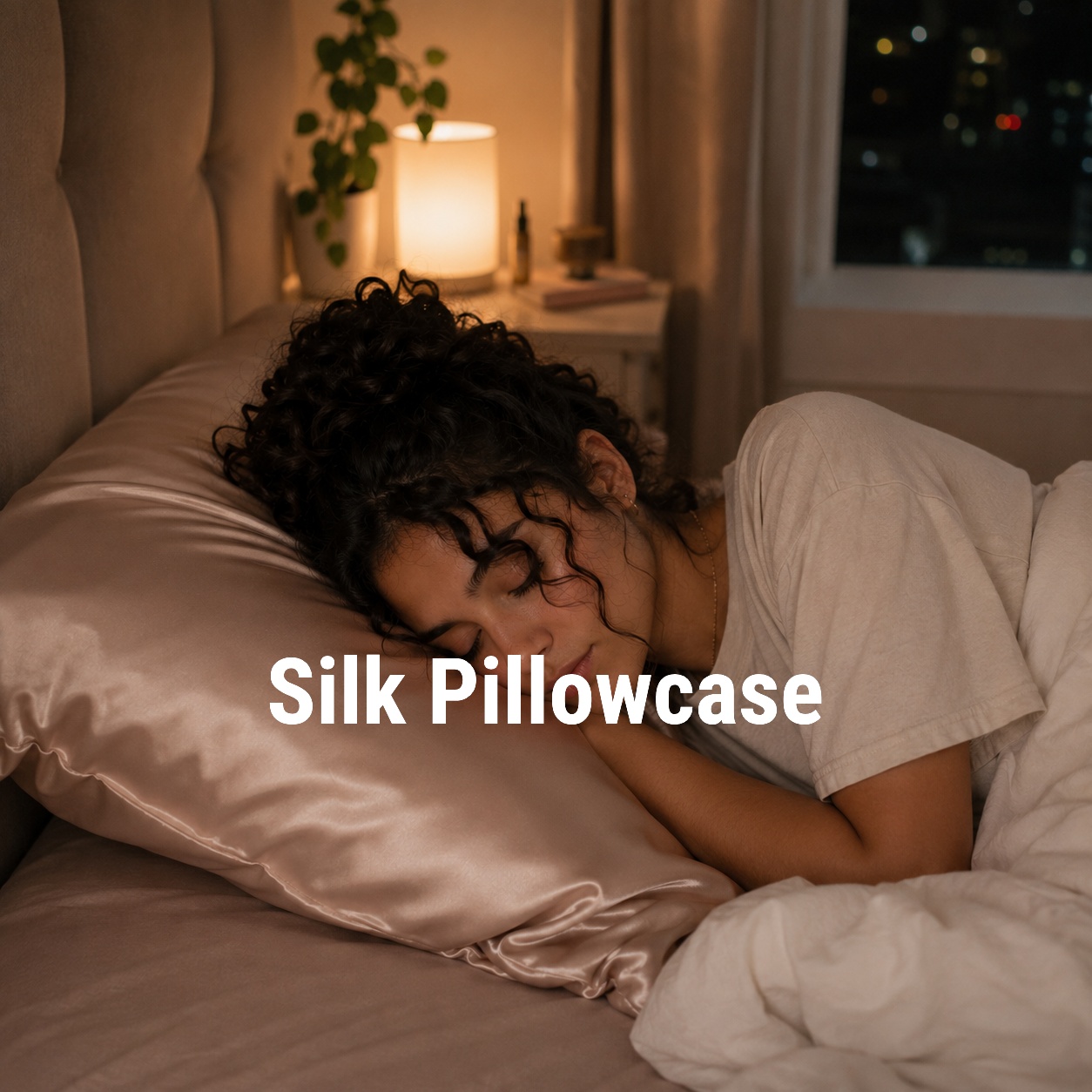
Swap cotton for silk or satin so your hair slides instead of snagging. This is the simplest change if you refuse headwear. Alone, it helps. Combined with a pineapple or bonnet, it helps more.
How to do it
- Use a real silk or smooth satin pillowcase (not textured cotton sateen that still grips).
- Keep a second case for travel or sweaty nights.
- Wash per the fabric care label so the surface stays smooth.
- Still gather long hair when possible; a slick pillow cannot fully protect crushed roots.
Works well for: Short curls, washes-and-goes, and shared beds where a bonnet feels awkward.
Avoid: Treating the pillowcase as a full plan for long, dense hair. Length still needs gathering or covering on many heads.
6. Medusa clips
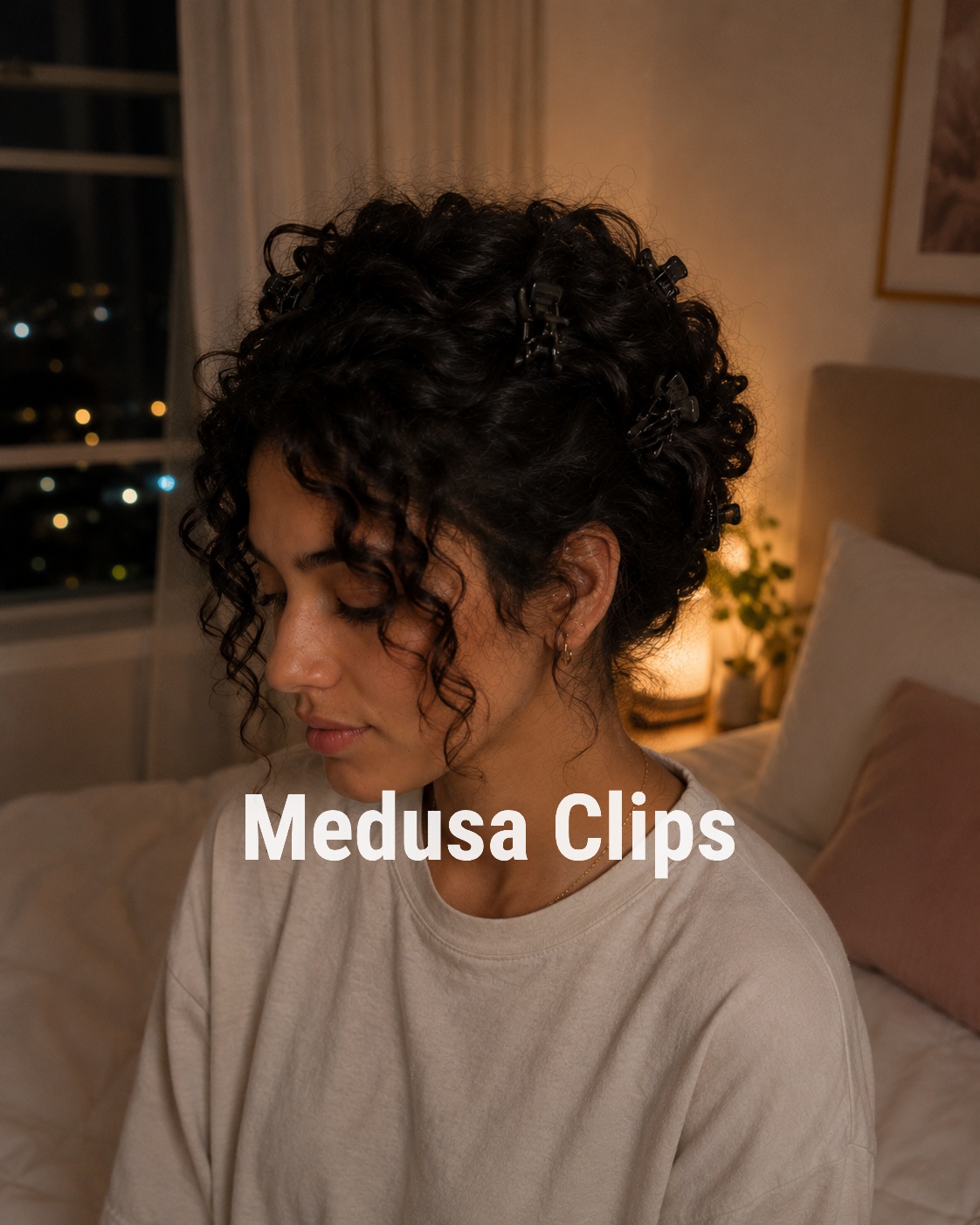
Medusa clipping pins curl sections up and away from your head so the pattern is not flattened by pillow pressure. It looks odd. It works.
How to do it
- Start with fully dry or nearly dry, styled hair.
- Take medium sections and clip each one upward with claw clips or duckbill clips.
- Cover with a bonnet if clips catch on the pillowcase.
- In the morning, unclip, shake out, and mist only where needed.
Works well for: Defined wash-and-gos that lose shape at the crown, and curls that “pancake” on one side.
Avoid: Clipping wet hair (slow drying, odd bends) and using clips with sharp seams that dent the strand.
How to choose your nighttime setup
- Short curls: silk pillowcase + optional bonnet
- Long curls: pineapple or loose braids + bonnet or buff
- High frizz / high porosity: bonnet or buff every night; see frizz causes
- Coily hair: bonnet first; add pineapple or clips if length flattens
- Wavy hair: lighter hold; loose pineapple or pillowcase to avoid crease marks
Track what you used at night the same way you track wash day. If day-two definition keeps failing, change sleep protection before you replace your entire product shelf. Curly hair mistakes often include skipping this step.
Morning after: light refresh only
- Take down clips, braids, buff, or bonnet gently.
- Mist water or a light refresh spray on flat zones only.
- Smooth a pea-size leave-in or gel on frizz halos.
- Air dry or diffuse on low if you added moisture.
Full walkthrough: refresh curls between wash days.
Frequently asked questions
What is the best way to sleep with curly hair?
It depends on length and pattern. Short curls often do fine with a silk pillowcase or bonnet. Longer curls usually need a pineapple, loose braids, or Medusa clips so the pattern is not crushed.
Should I sleep with wet curly hair?
Prefer mostly dry hair. Soaking-wet sleep stretches curls, increases frizz, and leaves flat pillow spots.
Is a satin bonnet better than a silk pillowcase?
A bonnet covers more hair while you move. A pillowcase is easier if you hate headwear. Using both is common and effective.
What is the pineapple method for curly hair?
A loose, high ponytail on top of the head that keeps length off the pillow. Use a soft scrunchie only.
What are Medusa clips?
Sectioning styled curls and clipping each section up overnight so pillow pressure does not flatten the pattern.
Can I combine methods?
Yes. Popular stacks: pineapple + bonnet, braids + silk pillowcase, Medusa clips + buff.
Related guides
- Beyond wash day
- Refresh curls between wash days
- Wash day routine
- Humidity and curly hair
- Curl types chart
Keep nighttime habits in your routine
Curltine helps you track wash days, refreshes, and what actually preserves your Curl Score, including the habits that happen after you turn the lights off.
Curltine
Get your personalized curl routine
Take a 60-second AI hair scan and get a wash-day plan built around your curl type, porosity, and density.
Take the free hair quiz