Porosity Guide
Porosity is why your
products aren’t working.
More than curl pattern, porosity decides how your hair absorbs and holds moisture — and which product textures actually land. Confirm it with a float test, then lock it into your Curltine hair score.
01 · The Float Test
Test your porosity at home.
Clarify first (buildup skews results). Drop a clean strand into a glass of room-temperature water and wait 2–4 minutes.

Low
Floats at the top
Cuticles stay tightly closed — water struggles to get in.
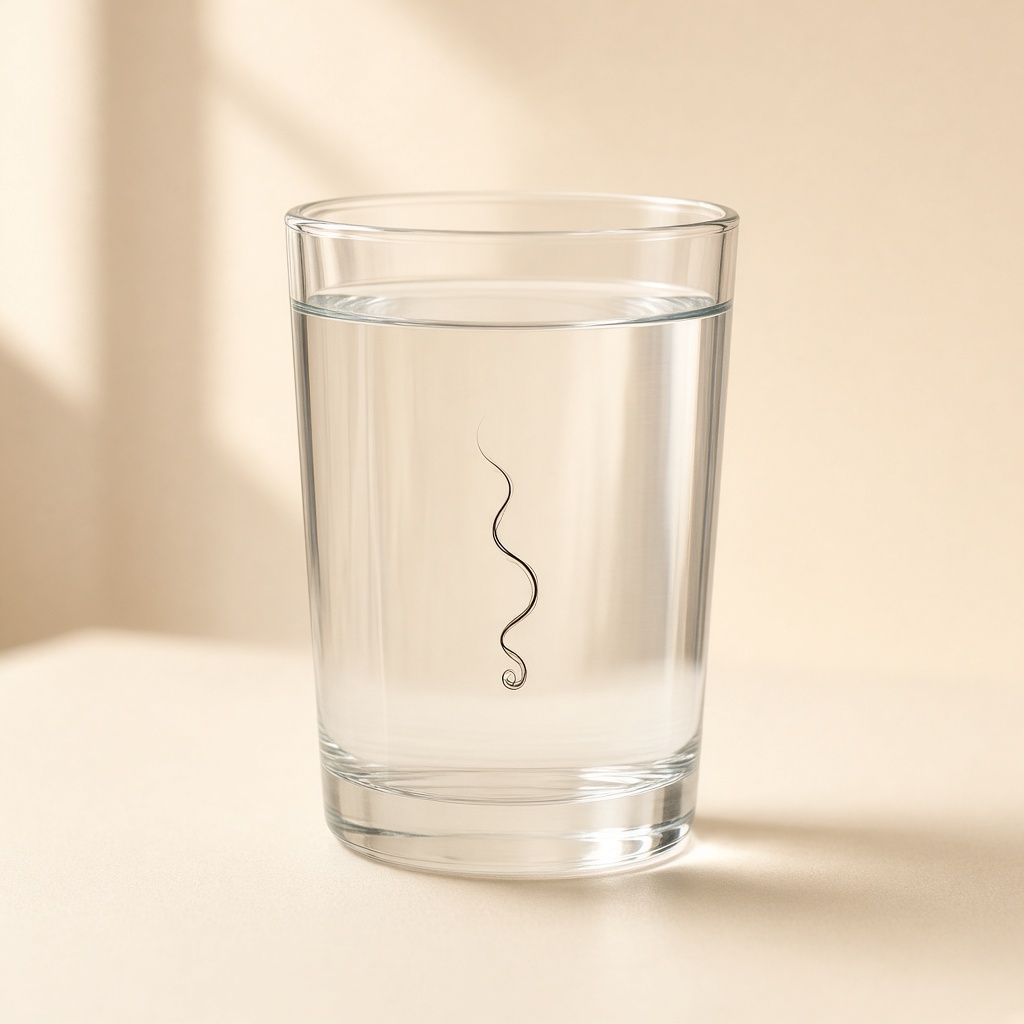
Medium
Hovers mid-glass
Cuticles take moisture in at a balanced rate.
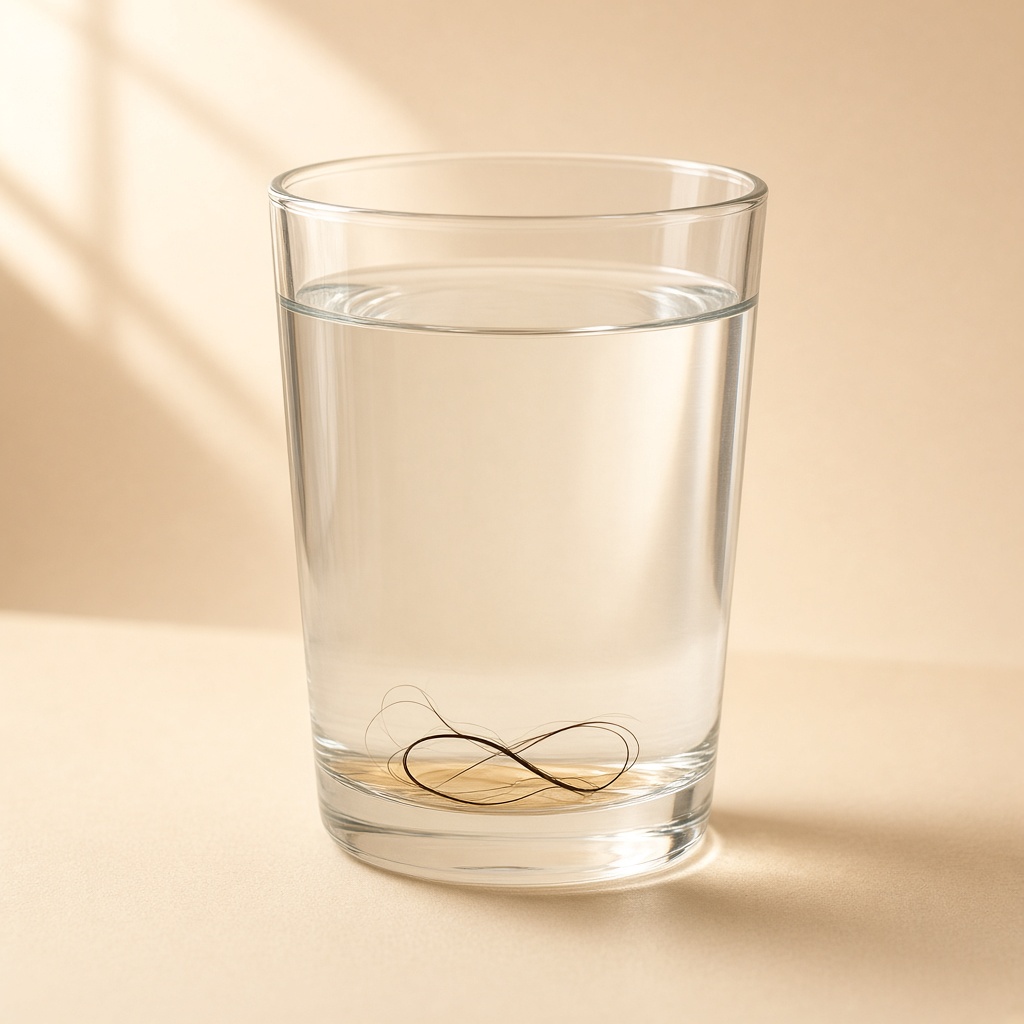
High
Sinks to the bottom
Cuticles are open or damaged — absorbs fast, loses fast.
Buildup can fake a “float.” Clarify first for the most honest reading, and cross-check with how fast your hair dries after washing.
Want the long version? Hair porosity test guide.
02
Low porosity.
Cuticles lie flat and sealed. Moisture is hard to get in — but once it’s there, hair holds it well. Often genetic and common on finer 1A–2C patterns.
Signs this is you
- Products sit on top instead of absorbing
- Hair takes a long time to get fully wet
- Hair takes a long time to dry
- Buildup even with regular washing
- Feels dry despite conditioning
The routine
- 1
Cleanse
Clarify monthly to clear buildup. Gentle sulfate-free cleanser weekly.
- 2
Condition
Use gentle heat (steamer, hooded dryer, or warm towel) to help lift the cuticle.
- 3
Leave-in
Water-based, lightweight leave-ins. Skip heavy creams.
- 4
Moisturise
Liquids and sprays penetrate better than thick creams — water or aloe bases win.
- 5
Seal
Very light oil (jojoba, argan). Avoid heavy butters.
Loves
- Aloe vera
- Glycerin in moderate climates
- Lightweight leave-ins
- Clarifying shampoos
- Heat during conditioning
Avoids
- Heavy butters (shea, mango)
- Thick creams
- Frequent protein treatments
- Heavy coconut oil coats
Pro tips
- Apply products to warm, damp hair to aid absorption
- Protein-heavy formulas can add more buildup
- Steam regularly to open the cuticle
03
Medium porosity.
Cuticles sit slightly raised and move moisture in and out at a healthy rate. Medium porosity is the most flexible — it accepts treatments and holds styles well.
Signs this is you
- Hair feels moisturised after conditioning
- Products absorb in a reasonable time
- Styles last a solid day or more
- Colour and chemical services take evenly
- Generally manageable with regular care
The routine
- 1
Cleanse
Sulfate-free shampoo or co-wash. Weekly or bi-weekly is enough for most.
- 2
Condition
Rinse-out conditioner each wash. Deep condition about monthly.
- 3
Leave-in
Medium-weight leave-ins — cream or liquid both work.
- 4
Moisturise
Balance moisture and protein. Don’t over-protein.
- 5
Seal
Medium oils: sweet almond, grapeseed, or a light castor blend.
Loves
- Most conditioners
- Moderate protein treatments
- Leave-in creams
- Most oils in moderation
Avoids
- Over-processing
- Excessive protein (brittleness)
- Neglect — forgiving isn’t maintenance-free
Pro tips
- Keep a regular deep-conditioning cadence
- Protein every 6–8 weeks is plenty for most
- You have the widest product-weight flexibility
04
High porosity.
Cuticles are raised or damaged. Hair drinks moisture quickly — and loses it just as fast. Can be genetic (often 4A–4C) or from heat, colour, or chemical history.
Signs this is you
- Gets wet fast but dries fast
- Frizz, especially in humidity
- Tangles and breaks easily
- Absorbs product fast, needs reapplication
- Looks dull or dry even after moisturising
The routine
- 1
Cleanse
Co-wash between washes. Sulfate-free cleanser at most weekly.
- 2
Condition
Protein-rich deep conditioner every 1–2 weeks plus a detangling rinse-out.
- 3
Leave-in
Creamy, heavier leave-in. LOC or LCO is essential.
- 4
Moisturise
Layer: water → leave-in → cream → seal.
- 5
Seal
Heavier sealant: castor oil, shea, or mango butter to lock moisture in.
Loves
- Castor oil
- Shea butter
- Protein treatments
- Heavy creams
- Anti-humectants
- LOC / LCO method
Avoids
- Humectants in high humidity
- Skipping the sealant
- Harsh sulfates
- Heat without protection
Pro tips
- Anti-humectants in humid weather to curb frizz
- Regular protein helps fill gaps in the cuticle
- ACV rinses can temporarily flatten the cuticle
Know your porosity?
Get your full
hair profile.
Curltine combines porosity with curl type, density, and goals into a hair score and report — then pairs products via product scan so you’re not guessing textures again.
Free to start · AI hair scan on iPhone & Android
Next: build wash day with the routines guide.